
Loan fallout refers to locked or committed loans that fail to reach closing—whether due to borrower withdrawal, lender denial, or a decision to move to another lender before funding. For mortgage brokers, lending operations teams, and loan officers, fallout represents more than a missed opportunity; it translates directly to lost revenue, wasted underwriting resources, and hedge exposure on rates that never materialize into funded volume. This article examines what drives fallout in mortgage pipelines and how continuous credit data visibility can reduce it.
Consider a mid-size mortgage lender with $500M in annual lock volume. If pipeline fallout runs at 20–25% instead of a target 15%, that unexplained variance can erode margins by 20–30 basis points—money that disappears into hedging losses, repricing costs, and operational drag. For lending teams operating in competitive or volatile rate environments, understanding the root causes of fallout and implementing systems to predict it earlier is a margin-protection priority. Maintaining the right financial balance—such as accurate asset balances and proper financial ratios—is crucial for loan qualification and optimizing investment property profitability, helping to reduce the risk of loan fallout.
The focus here is on mortgage lending operations, secondary marketing, and pipeline management—not consumer credit advice. Altara Data operates as an enterprise credit data infrastructure provider, offering white-label credit monitoring that lenders embed into their platforms to track borrower credit readiness throughout the lock period. Fallout data is essential for a mortgage company’s hedging strategy and risk management, as accurate fallout information directly impacts profitability and operational decisions.
To minimize fallout, lenders must ensure correct and complete fallout data, as data integrity is critical for reliable operational decisions and predictive analytics. Setting a strategic course for managing fallout risk is also vital, enabling lending operations to navigate changing market conditions with deliberate planning and effective risk management.
What loan fallout means in lending operations
From an operational standpoint, loan fallout describes locked loans that do not fund. This includes outright cancellations, denials during underwriting or at clear-to-close, and loans that reprice or migrate to a competitor before closing. Loans can exit the pipeline for various reasons, including borrower, market, and operational factors. The fallout rate serves as a key production metric, reflecting the percentage of applications or locks that exit the pipeline without reaching the funding stage.
Lending teams typically distinguish between several types of fallout depending on where and why the loan exits the pipeline:
Lock fallout captures loans that were rate-locked but never close. This is the most visible category for secondary marketing teams because it directly affects hedge positions. When a borrower locks a rate, the lender often hedges that commitment in the TBA (to-be-announced) market. If the loan falls out, the lender must either pair off the hedge at a loss or absorb the mismatch.
Pipeline fallout is broader, encompassing any loan application in-process that exits before funding—whether before or after a rate lock. This includes applications that never reach underwriting, conditional approvals that stall during documentation, and clear-to-close loans that fail at the last stage.
Hedge fallout refers specifically to the variance between expected and actual pull-through for hedging purposes. Secondary marketing teams model pull-through rates to determine how much of their locked pipeline will actually fund. When actual pull-through falls short of projections, the hedge position becomes misaligned, creating price risk.
Fallout shows up across several internal reports. Lock desk reporting tracks lock-to-close conversion rates by loan officer, channel, and product. Fallout reports also document the methodology, results, and performance evaluation of fallout prediction models, supporting operational decisions and risk management. Secondary marketing P&L statements reflect hedge performance, including gains or losses from fallout-driven mismatches. Margin reports capture the cumulative effect of fallout on profitability, especially during periods of rate volatility.
Common internal metrics include pull-through rate (the percentage of locked loans that fund), lock-to-close conversion, and stage-by-stage fallout analysis—tracking attrition from pre-approval through conditional approval to clear-to-close. These metrics help operations teams identify where in the process loans are most likely to exit.
For example, during a rate rally in late 2023, many lenders experienced unexpected lock fallout as borrowers with existing locks sought to re-lock at lower rates or moved to competing lenders offering better pricing. Lenders who had hedged based on historical pull-through assumptions found themselves over-hedged, absorbing losses when actual closings fell short of projections.

The most common causes of loan fallout
Fallout is multi-factor. It results from borrower behavior, credit and eligibility changes, collateral issues, pricing dynamics, and operational friction. For brokers, loan officers, and lending ops teams, understanding these categories helps target interventions where they can have the most impact.
Borrower-driven causes account for a substantial share of fallout. Borrowers shop for mortgages across multiple lenders, and many will switch to a competitor offering a better interest rate, lower fees, or more favorable terms. Others decide to delay or cancel a home purchase or refinance entirely—often due to life changes, financial stress, or second thoughts about timing. A meaningful percentage of fallout also stems from non-response or application abandonment, where borrowers fail to return documentation, disclosures, or verifications within required timeframes. Some borrowers have trouble documenting income or meeting lender requirements, which leads to increased fallout as their applications are unable to proceed or are declined.
Credit and eligibility changes represent a category where timing matters significantly. A borrower who qualified at application may no longer qualify by closing. New trade lines—such as an auto loan or furniture financing—can push debt-to-income ratios beyond guidelines. Utilization spikes on existing credit cards can drop scores below product thresholds. New derogatory items, disputes, or public records (including bankruptcy filings) appearing mid-process can trigger denials. Changes in the borrower’s income, whether from job loss, reduced hours, or a switch in employment, can also disqualify the loan during underwriting verification. In many cases, loan applications have fallen out due to income verification or eligibility issues, especially when borrowers cannot meet the strict criteria of conforming loan programs.
Property and collateral issues emerge during the appraisal and title phases. An appraisal shortfall—where the property value comes in below the contract purchase price—can force a renegotiation or cause the deal to collapse if neither party adjusts. Property condition or occupancy discrepancies discovered during inspection may violate lender guidelines. Title issues such as undisclosed liens, boundary disputes, or clouded ownership can delay or kill the transaction.
Pricing, rate, and market dynamics drive fallout in ways that are often outside the lender’s direct control. Rapid rate rallies make locked rates uncompetitive, prompting borrowers to renegotiate, cancel, or move to another lender. During a week when rates drop 50 basis points, lenders routinely see fallout spike as clients seek to capture the savings. Internal repricing errors or system failures can also cause re-disclosures and delays, frustrating borrowers and increasing fallout probability.
Operational and process friction contributes to fallout when cycle times drag or communication breaks down. Long gaps between the application date, underwriting review, and clear-to-close create windows for borrower circumstances to change or for competitors to capture the deal. Inconsistent communication from loan teams—failure to set expectations, answer questions, or provide timely updates—erodes borrower confidence. Documentation requests that feel duplicative or unclear lead to abandonment, especially among borrowers juggling busy schedules and competing priorities.
For example, during the first quarter (Q1) 2024, a wholesale lender tracking fallout by cause found that 35 percent of fallout was attributable to borrowers moving to another lender for a better rate, 22 percent to credit-related eligibility changes discovered mid-process, and 15 percent to appraisal shortfalls. The remaining 28 percent was split among operational delays, non-response, and title issues. This data also showed that a significant number of loan applications had fallen out due to income verification or eligibility problems. Overall, the approval rate for commercial real estate loans during this quarter was around 65 percent, with 35 percent rejected or fallen out. This type of analysis helps lending operations prioritize interventions.
Assessing fallout risk in the lending process
Assessing fallout risk is a crucial component of the lending process, directly impacting the stability and profitability of mortgage pipelines. Fallout risk refers to the probability that a loan application will not progress to funding, whether due to borrower default, changes in financial circumstances, or other disruptions that prevent the loan from closing. Understanding and managing this risk is essential for lenders aiming to maintain healthy margins and for borrowers seeking successful loan approval.
Lenders evaluate fallout risk by analyzing a range of factors at every stage of the loan application. Key considerations include the borrower’s credit profile, income stability, debt-to-income (DTI) ratio, and the overall value of the property. For example, a borrower with a strong credit history, consistent income, and a low DTI ratio presents a lower fallout risk compared to someone with recent credit issues or variable earnings. The type of loan, loan amount, and loan term also play significant roles in determining risk levels.
Industry standards, such as those set by Fannie Mae, provide a framework for assessing fallout risk. Lenders must verify that borrowers meet strict eligibility criteria, including minimum credit scores, maximum DTI ratios, and documented income. These guidelines help ensure that only qualified borrowers move forward, reducing the likelihood of fallout due to ineligibility or last-minute surprises.
Financial stress is another major factor influencing fallout risk. Borrowers facing unexpected expenses, job loss, or reduced income may struggle to meet loan requirements or keep up with payments, increasing the probability of fallout. Lenders must carefully review the borrower’s financial situation at both the application date and approval date, looking for signs of instability that could affect the loan’s success.
Price risk, or the potential for property values to decline, is also a critical consideration. If the value of the property falls below the loan amount, borrowers may find it difficult to refinance or sell, raising the risk of default. Lenders mitigate this by conducting thorough property appraisals and monitoring market trends to ensure the collateral remains sufficient throughout the lending process.
Timing is essential in fallout risk assessment. The gap between the loan application date and approval date can expose lenders to changes in the borrower’s financial profile or market conditions. For instance, a borrower who appears qualified at application may experience a drop in income or take on new debt before the approval date, altering their risk profile. Continuous review and timely verification of credit, income, and property value are crucial to managing this dynamic risk.
To reduce fallout risk, lenders can implement robust risk assessment protocols, provide borrower education, and offer resources to help clients manage debt and financial stress. Proactive communication and regular credit monitoring enable lenders to identify potential issues early and work with borrowers to address them before they become deal-breakers.
Borrowers, in turn, can lower their fallout risk by maintaining a strong credit history, managing their debt responsibly, and ensuring their income remains stable throughout the loan process. Staying informed about the factors that affect loan approval and working closely with their lender can make a significant difference in achieving a successful outcome.
In summary, assessing fallout risk is a foundational step in the mortgage lending process. By carefully analyzing credit, income, debt, property value, and timing, lenders can determine the likelihood of a loan funding and take proactive measures to manage risk. This not only protects the lender’s business but also supports borrowers in achieving their homeownership or refinancing goals.
Why credit timing plays a major role
Credit timing refers to when in the loan process lenders access credit data—and how often that data is refreshed. The traditional pattern is static: one hard pull at application or pre-approval, possibly another refresh just before closing, and little structured visibility in between. This approach creates blind spots that contribute directly to fallout.
During a 45- to 60-day lock period, borrowers continue their financial lives. They may open new tradelines, increase credit card balances, miss payments, or take on additional debt. These changes can shift scores, alter debt-to-income ratios, and push borrowers outside product eligibility—often without the lender’s knowledge until it’s too late. If your financial circumstances change during this period, it’s important to explore all available financial options to find the best solution for your situation.
Credit drifts between the initial pull and underwriting are a primary driver of unexplained fallout. A borrower approved at 720 FICO with a 38% DTI may, by closing, have financed a car purchase, taken on a personal loan, or maxed out a credit card. When the lender runs a final verification, the score has dropped to 680 and the DTI is now 45%—exceeding Fannie Mae guidelines for the locked product.
Late-stage surprises are particularly costly. A final soft or hard pull just before closing may reveal new obligations that were not present at approval. At that point, options are limited: the loan may need to be restructured, repriced, or denied. Conditions cleared based on outdated credit assumptions no longer hold, and the deal collapses. Understanding the reality of both market conditions and borrower behavior is essential for accurate risk management and minimizing unexpected fallout.
Example 1: A borrower locks a purchase loan on March 1 with a 725 FICO and 36% DTI. On April 10, just before clear-to-close, a refresh reveals a new auto loan tradeline and a 12% increase in revolving utilization. The score has dropped to 695 and the DTI has risen to 44%. The loan is denied at clear-to-close, and the lock expires unfunded—representing both lost revenue and hedge exposure.
Example 2: A refinance application in Q4 2025 proceeds through underwriting with a 680 FICO. Mid-process, the borrower’s score drops to 660 due to a late payment on a credit card. This triggers LLPA (loan-level price adjustment) changes that raise the borrower’s rate by 50 basis points. The borrower, frustrated by the unexpected repricing, abandons the loan and seeks a competing lender.
In volatile rate environments—such as 2020 through 2023—lenders that only check credit at two static points (application and closing) experience higher unexplained pipeline fallout. Without visibility into what happens between those checks, operations teams cannot anticipate or intervene before fallout occurs.

How lenders track borrower readiness over time
Borrower readiness signals are credit indicators that show whether a borrower remains on track to qualify and close. From a lender’s perspective, these signals include score movements, new tradelines, utilization changes, payment behavior, and the appearance of derogatory items or public records. Tracking these signals continuously—rather than at two static points—transforms pipeline management from reactive to proactive.
The industry has evolved from static credit checks to continuous or event-driven credit monitoring for pipeline management. Rather than waiting for a final refresh at closing, leading lenders now implement daily or weekly soft-pull monitoring during the lock or pre-approval window. This approach provides real-time visibility into borrower credit health without requiring a new hard inquiry.
A borrower readiness monitoring framework typically includes several key elements. Configurable soft-pull monitoring cadences allow lending teams to define how often credit data is refreshed—daily, weekly, or at specific milestones (e.g., day 30 and day 45 of the lock period). Event-based alerts notify loan officers when specific credit events occur: a new tradeline appears, utilization exceeds a defined threshold (e.g., 30% or 50%), a payment is reported 30 days late, or a score drops by more than 20 points. Score band movements that may trigger repricing or guideline rechecks are flagged for immediate review, allowing teams to intervene before the loan is rejected at closing.
Integration points for readiness signals vary by lender infrastructure. LOS (loan origination system) and POS (point-of-sale) platforms can surface alerts at the loan and pipeline level, enabling loan officers and processors to see credit events alongside other loan data. CRM workflows can be configured to notify loan officers automatically when a key credit event occurs, prompting outreach to the borrower. Secondary marketing systems can incorporate updated risk data to refine pull-through assumptions, adjusting hedge positions based on real-time pipeline health rather than historical averages. Search algorithms are increasingly used in these systems to optimize feature selection and improve fallout prediction models, enhancing the accuracy of risk assessments.
Altara Data functions as a white-label credit monitoring layer that lenders embed into their LOS or fintech platforms. It provides event-based feeds so lending ops teams see credit changes without re-pulling full reports manually. This allows organizations to maintain their consumer-facing brand while leveraging enterprise-grade credit intelligence behind the scenes.
Monitoring cadence, event alerts, and platform integration work together to create a feedback loop: credit data flows continuously into the pipeline, alerts surface issues early, and loan teams have the information they need to manage risk before fallout occurs. Industry data suggests that monitored pipelines close 15% more loans on average compared to those relying on static credit checks, with fallout reductions of 10–20% in segments where monitoring is most actively used.
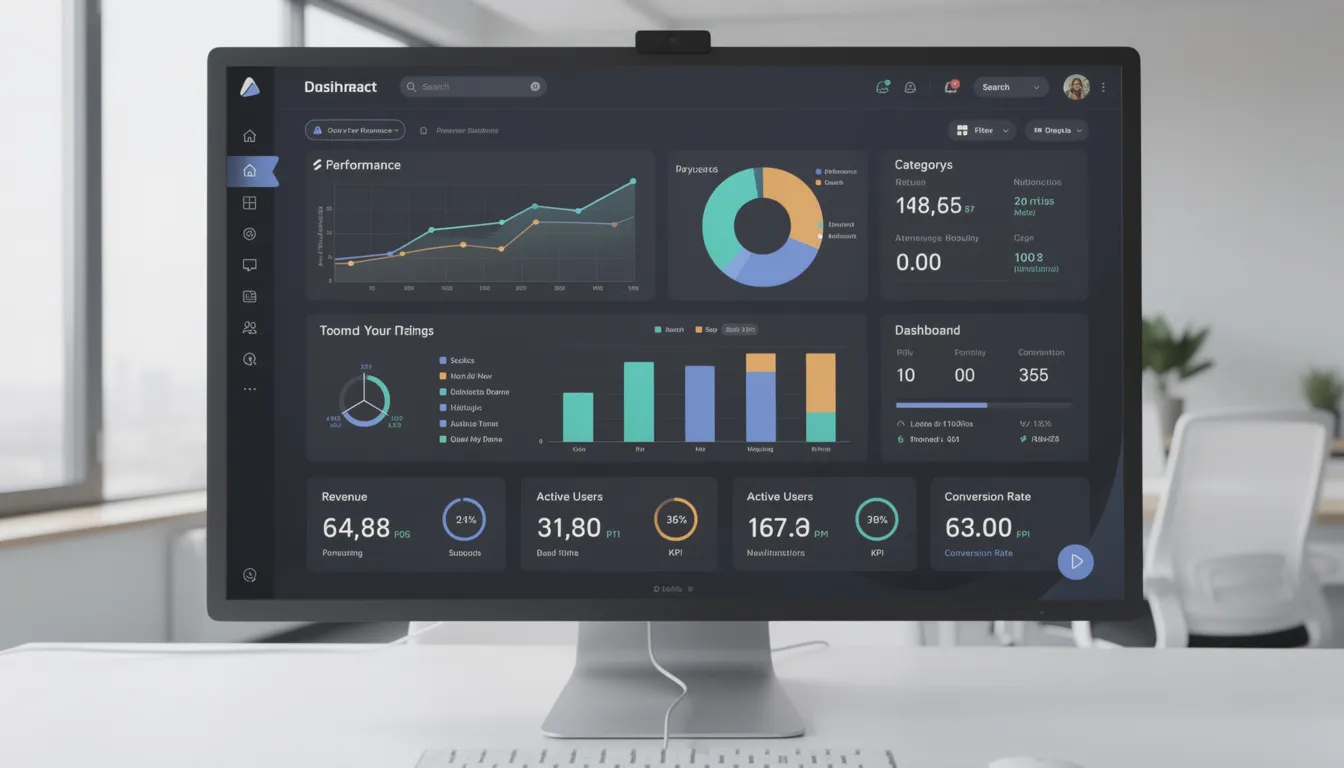
Advanced analytics and dashboards provide insights into key predictive factors for loan fallout, helping lenders better understand and manage risk throughout the pipeline.
Operational benefits of continuous credit visibility
Continuous credit visibility connects directly to measurable business outcomes: reduced unexplained fallout, more accurate hedging, better resource allocation, and improved margin performance. For lending operations, these benefits translate into dollars recovered, efficiency gained, and risk controlled. Additionally, understanding factors related to growth—such as economic stability and mortgage market expansion—enables stakeholders to better manage risk, foster financial resilience, and promote sustainable development within the mortgage industry.
Improved fallout prediction and pull-through modeling is one of the most immediate gains. When lenders have access to updated credit signals throughout the lock period, they can refine stage-level pull-through factors with greater accuracy. Credit event data can be fed into existing hedge and capital allocation models, allowing secondary marketing to adjust positions based on real-time pipeline health rather than historical assumptions. This reduces variance between expected and realized pull-through, especially during periods of market volatility when borrower behavior is less predictable.
Earlier risk detection and proactive underwriting allows lending teams to identify loans trending toward ineligibility weeks before closing—not at the last moment. With advance warning, teams can restructure deals (e.g., product changes, LTV adjustments, or alternative pricing) while the borrower is still engaged and motivated to close. Underwriting and processing resources can be prioritized toward loans with higher probability to fund, rather than spending equal effort on deals likely to fall out. This approach shifts lending operations from reactive damage control to proactive pipeline management.
More efficient pipeline and lock management follows from real-time visibility. Lock desks can adjust lock durations and concessions based on borrower readiness indicators rather than static assumptions. Readiness scores can be used to prioritize pipeline touches and borrower outreach, ensuring that high-risk loans receive attention before fallout occurs. Last-minute denials and re-disclosures—which consume ops capacity and frustrate borrowers—are reduced when issues are identified and addressed earlier in the process.
Stronger compliance and audit trails emerge naturally from continuous monitoring workflows. Lenders maintain documented, time-stamped visibility into when and how credit data changed throughout the loan lifecycle. This supports internal and external audits with structured logs rather than ad-hoc screenshots or manual reconstructions. Continuous monitoring aligns with FCRA and data privacy standards when implemented through controlled, enterprise-grade workflows—reducing compliance risk while improving operational transparency.
Customer and partner experience at scale benefits as well. Broker partners see fewer surprise denials at closing, improving their relationships with borrowers and reducing churn. Correspondent and wholesale channels benefit from more predictable funding and purchase timelines, making it easier to manage their own pipelines and investor commitments. Investors and warehouse lenders gain confidence from tighter credit risk controls in the origination process, potentially supporting better pricing and access to capital.
Industry benchmarks suggest that lenders implementing continuous credit monitoring can compress fallout rates from 22% to 10–12% in monitored cohorts. For a lender with $500M in annual pipeline volume, this can translate to several million dollars in recaptured revenue annually—money that would otherwise have been lost to hedge slippage, repricing, and operational drag.
Putting it into practice: a credit-data playbook to reduce loan fallout
Loan fallout is partly a credit-timing problem. When lenders only access credit data at application and closing, they miss the changes that occur in between—changes that often determine whether a loan funds or falls out. Continuous, event-driven credit visibility addresses this gap by surfacing borrower readiness signals throughout the lock period, enabling earlier intervention and more accurate pipeline management.
For lending teams looking to reduce fallout through credit data, the following operational checklist provides a starting framework:
- Define and track baseline fallout and pull-through by product, channel, and stage. Without a clear baseline, improvements cannot be measured or attributed. Break down fallout by cause (borrower-driven, credit-related, collateral, pricing, operational) to identify the highest-impact areas for intervention.
- Map current credit touchpoints and identify timing gaps between pulls. Determine when credit is accessed today—at application, conditional approval, clear-to-close—and where blind spots exist. Calculate the average time between pulls and assess whether that window is long enough for meaningful credit changes to occur.
- As part of documentation for non-QM loans, review each line of bank statements to verify income and expenses, especially for self-employed or non-traditional borrowers.
- Implement soft-pull monitoring and event alerts for at-risk segments. Prioritize borrowers with longer locks, marginal scores, high DTI, or other factors that increase fallout risk. Configure alerts for new tradelines, utilization spikes, derogatory events, and score drops beyond defined thresholds.
- After initial assessment, ensure you are submitting the loan application for underwriting to maximize the chance of approval and reduce processing delays.
- Integrate credit readiness signals into LOS, CRM, and hedge models. Ensure that credit event data flows into the systems where loan officers, processors, and secondary marketing teams work. Surface alerts at the pipeline and loan level so teams can act on them in real time.
- Review results quarterly, comparing hedge performance and fallout before versus after implementation. Track changes in pull-through accuracy, fallout by cause, and margin impact. Adjust monitoring cadences and alert thresholds based on what the data reveals.
Altara Data fits as the underlying white-label platform that credit ops and product teams can embed without changing their consumer-facing brand. It provides the credit intelligence layer that powers monitoring, alerts, and reporting—integrated into existing infrastructure rather than standing as a separate system.
Continuous credit intelligence is infrastructure for profitable, resilient mortgage pipelines. For lenders operating in competitive or volatile markets, the ability to predict and reduce fallout is a margin-protection capability that compounds over time.
For additional resources and support, visit our website.
Leave a Reply
You must be logged in to post a comment.